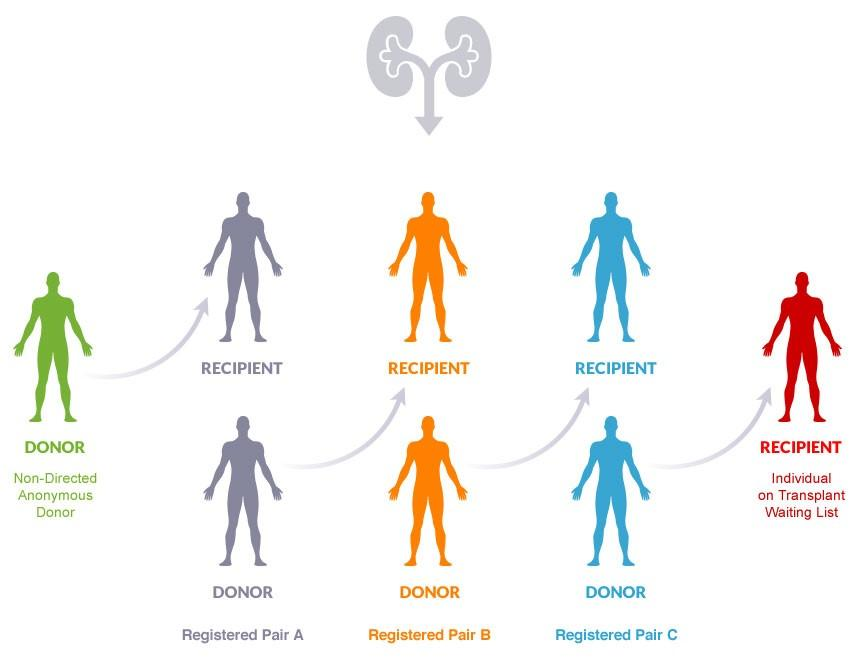
Matching markets are markets where the allocation – i.e. who gets what – is not (completely) driven by price. A classical example is kidney exchanges. It’s illegal to buy a kidney, even if you want to. It’s impossible to donate yours if the recipient is...
Sustainability of open source projects is one of my major concerns. Similar to any other shared-resource system, participation inequality is a major challenge in open source. This is known as the “volunteer’s dilemma”: everybody wants to benefit from...
Any important decision should be grounded on data. This is also true for any decision that affects your software projects. You shouldn’t reach any conclusion regarding the health of your project or the actions to take to improve it without a good look at the...
Bots already have a strong presence in open source projects, helping contributors in their maintenance. Mostly, automating repetitive tasks. See a list of bots in software development. I think their importance will keep growing. In fact, I believe they could play a...
Participation inequality is a major challenge in any shared-resource system. This is known as the “volunteer’s dilemma”: everybody wants to benefit from a resource without contributing, expecting others will do the work. We set out ot explore whether this problem also...
SustainOSS is an initiative created about four years ago to discuss the main challenges in sustainability for Open Source Systems. The yearly SustainOSS event is maybe the most representative activity, but the initiative also supports a podcast and other resources...